Omega vs Rolex: Which Swiss Luxury Watch Should You Choose
The first time I walked into a high-end watch store and was faced with the ultimate decision: Omega vs Rolex. I had always been fascinated by watches but had never really understood the debate between these two iconic brands. The salesperson pointed to the Rolex Submariner and said, “This is the king of luxury watches.” Then, he pointed to the Omega Seamaster and added, “And this is the watch that’s been to the moon.” My mind was blown—how could I choose between these two legends?
After much research, I’ve realized that the choice isn’t just about which brand is better; it’s about what you value more—prestige and investment value or cutting-edge technology and innovation. Let’s get into the world of Omega vs Rolex and explore which brand suits your style and needs.
Why Is the Brand Identity & History of Omega vs Rolex Is Iconic?

Both Omega and Rolex have fascinating histories, and their brand identities are firmly rooted in their legacies.
Rolex, founded in 1905, is a symbol of timeless elegance and achievement. The brand is associated with prestige and exclusivity, thanks to iconic milestones like the first ascent of Mount Everest and deep-sea dives. Rolex’s designs evolve slowly, contributing to their enduring appeal. These watches aren’t just timepieces; they represent success and status.
Omega, founded earlier in 1848, is renowned for precision timekeeping and technical innovation. The Omega Speedmaster was the first watch on the moon, which immediately tied the brand to adventure and exploration. Omega’s connection to the Olympics and its role in the James Bond films add to its reputation as a watch for those seeking both style and performance.
Technology and Movements
When it comes to movements, both brands produce exceptional in-house calibers, but their technological focuses differ.
|
Feature |
Rolex |
Omega |
|
Movement Certification |
Superlative Chronometer (COSC certified, then additional in-house testing to a standard of ±2 seconds per day) | Master Chronometer (Certified by METAS, accuracy of 0 to +5 seconds per day under real-life conditions) |
| Key Innovations | Waterproof Oyster case, Perpetual rotor, reliable movements | Co-Axial escapement (reduces friction), anti-magnetic resistance (up to 15,000 gauss) |
| Materials | 904L stainless steel (Rolesium) for corrosion resistance |
Titanium, ceramic, Sedna gold alloy for durability and lightweight designs |
Rolex is known for its robust innovations, including the iconic Oyster case (only Rolex that works on batteries) and Perpetual rotor that make the watch durable and self-winding. Rolex’s focus is on practical, long-lasting technology.
Omega, however, is a pioneer in precision and innovation. The brand’s Co-Axial escapement reduces friction, offering longer service intervals and improving the accuracy of the watch. Omega is also a leader in anti-magnetic technology, making its watches ideal for those working in environments with high magnetic fields.
Pricing and Value Retention

When it comes to pricing, Rolex generally commands higher prices, both at retail and on the secondary market. Rolex’s limited supply and high demand make models like the Submariner and Daytona incredibly difficult to find at authorized dealers, often driving up the resale value. Because of its prestige, a Rolex is not only a luxury item but also a strong investment.
Omega offers a more accessible price range, which makes it a more approachable choice for luxury watch enthusiasts. While most Omega watches depreciate after the initial purchase, limited or special editions can hold or increase in value. Omega is also more readily available at retail, which makes it an attractive option for those who want luxury without the hassle of waiting.
Popular Models Comparison
Both Omega and Rolex offer popular models that cater to different needs and preferences. Let’s compare some of their most iconic pieces.
|
Category |
Rolex |
Omega |
|
Dive Watches |
Rolex Submariner – Timeless dive watch icon, known for robustness | Omega Seamaster Diver 300M – Modern design, anti-magnetic tech, and historical ties to James Bond |
| Chronographs | Rolex Cosmograph Daytona – Iconic motorsport watch, high investment value | Omega Speedmaster Professional Moonwatch – The first watch worn on the moon, rich in history and adventure |
| Everyday Wear | Rolex Datejust – Classic elegance, versatile for everyday use |
Omega Seamaster Aqua Terra – Modern design, advanced movement, and a versatile watch for all occasions |
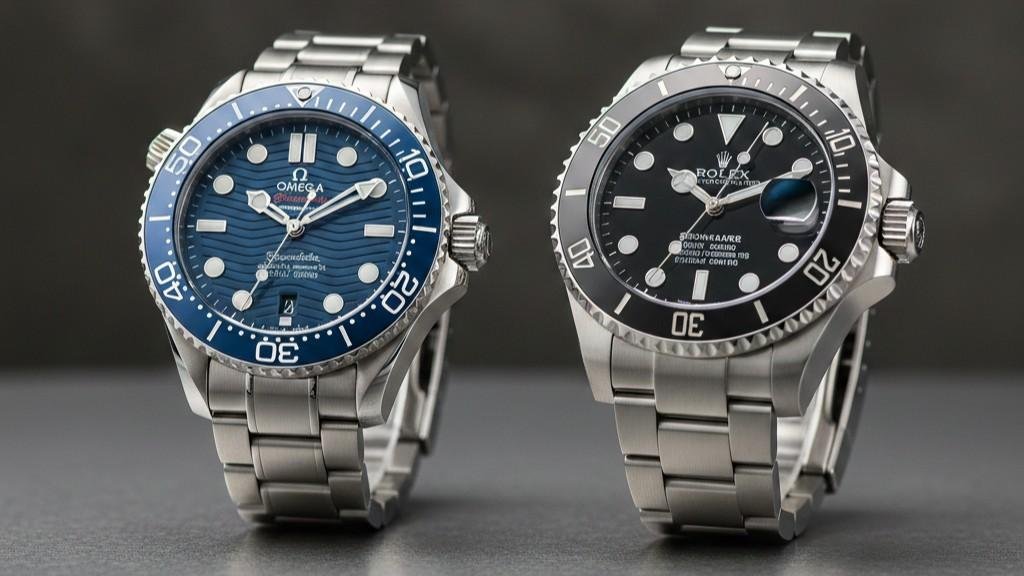
For those who need a reliable dive watch, the Rolex Submariner has been the standard for decades. If you want a more modern design and advanced anti-magnetic technology, the Omega Seamaster is an excellent option.
In the world of chronographs, the Rolex Daytona is highly sought after, especially among motorsport enthusiasts. However, Omega’s Speedmaster has the distinct honor of being the first watch on the moon, making it a historical masterpiece.
How to Choose: Omega vs Rolex

Choosing between Omega vs Rolex comes down to what you value most in a luxury watch. Here’s a simple guide:
- Consider Your Budget – If you’re willing to invest more for exclusivity and long-term value, Rolex is a clear winner. But if you’re looking for performance at a more accessible price, Omega is an excellent choice.
- Think About Usage – If you need a watch that’s highly durable and timelessly elegant, Rolex fits the bill. If you’re looking for innovative technology and a watch with ties to adventure and space exploration, Omega will be your perfect match.
- Aesthetic Preferences – If you prefer classic, understated luxury, Rolex will suit your style. For a more modern, sporty look, Omega’s Seamaster or Speedmaster offers a dynamic option.
Frequently Asked Questions
1. Is Rolex Worth the Extra Money?
Rolex watches are known for their high resale value and timeless designs. While they are pricier than Omega, they tend to hold their value better, making them a solid investment. If you’re looking for prestige and investment potential, Rolex is a great choice.
2. Which Omega Watch Is Best for Space Exploration?
The Omega Speedmaster Professional Moonwatch holds a special place in history as the first watch worn on the moon. If you’re an adventure enthusiast or want a watch that has literally been to space, the Speedmaster is the ideal model.
3. Does Omega Offer Watches with Anti-Magnetic Features?
Yes! Omega is known for its anti-magnetic technology, especially in models like the Omega Seamaster Aqua Terra Master Chronometer. These watches can resist magnetic fields up to 15,000 gauss, making them ideal for professionals in industries with high magnetic exposure.
Which Watch Will You Choose?
So, Omega vs Rolex—which one wins? It depends on what you’re after. Rolex is perfect if you’re after prestige, investment value, and timeless design. However, Omega offers cutting-edge technology, precision, and a more affordable entry point into the world of luxury watches.
Here’s my tip: Whether you choose Omega or Rolex, remember that a watch isn’t just about telling time. It’s about owning a piece of history. So, find the watch that represents you. Your style, your passion, and your journey.