
Understanding Your Pregnancy: The Importance of a Dating Scan
Becoming pregnant is a transformative period filled with excitement, anticipation, and an array of vital health considerations to ensure a safe and healthy pregnancy journey. Among the early steps in prenatal care is the understanding of the importance of an obstetric ultrasound called a dating scan.
What is a Dating Scan?
A dating scan is a type of ultrasound scan which is performed to establish the gestational age of the pregnancy. Usually conducted between 7 to 17 weeks of pregnancy, this diagnostic tool offers expectant parents their first glimpse of their developing baby, but more importantly, it provides essential information about the pregnancy’s progress and well-being.
The Role of a Dating Scan in Early Pregnancy

In the first trimester, a dating scan plays a critical role in confirming the pregnancy, determining the number of fetuses, and establishing an accurate due date. This information is not only valuable for personal and emotional reasons but also guides medical professionals in providing the best possible care throughout the pregnancy.
Accuracy of Due Dates
Establishing an exact due date is more complicated than simply counting forward 40 weeks from the last menstrual period, as individual cycles and ovulation can vary greatly. The dating scan provides a more accurate measure by assessing the size of the fetus and correlating it with gestational age charts. This allows for precise prenatal care scheduling, necessary adjustments to medication dosages, and preparation for delivery.
Identifying Multiple Pregnancies
Multiple pregnancies are associated with higher risks for complications, thus making early identification crucial. The dating scan detects the presence of one or more fetuses, allowing for the correct monitoring to be put in place promptly. Mommies can benefit smartwatches to track health metrics along with prenatal care process.
Detecting Pregnancy Complications
Early scans can detect potential complications such as ectopic pregnancies or miscarriages. By identifying these issues early on, necessary medical interventions can be performed timely and compassionately, possibly saving lives and preparing parents for the outcomes.
When Should You Have a Dating Scan?

Though dating scans are typically scheduled between 7 to 17 weeks of pregnancy, many healthcare providers will aim to perform this scan at about 12 weeks. This timing is optimal for getting clear images and accurate measurements. However, individual circumstances might dictate an earlier or later scan.
Preparing for a Dating Scan
Preparing for a dating scan is simple. Depending on the gestational age and scanning facilities, some scans may be done transabdominally (over the belly), while earlier scans may require a transvaginal approach for clarity. Typically, a full bladder is necessary for a transabdominal scan, as it pushes the uterus up and provides a better view of the fetus.
The Procedure of a Dating Scan
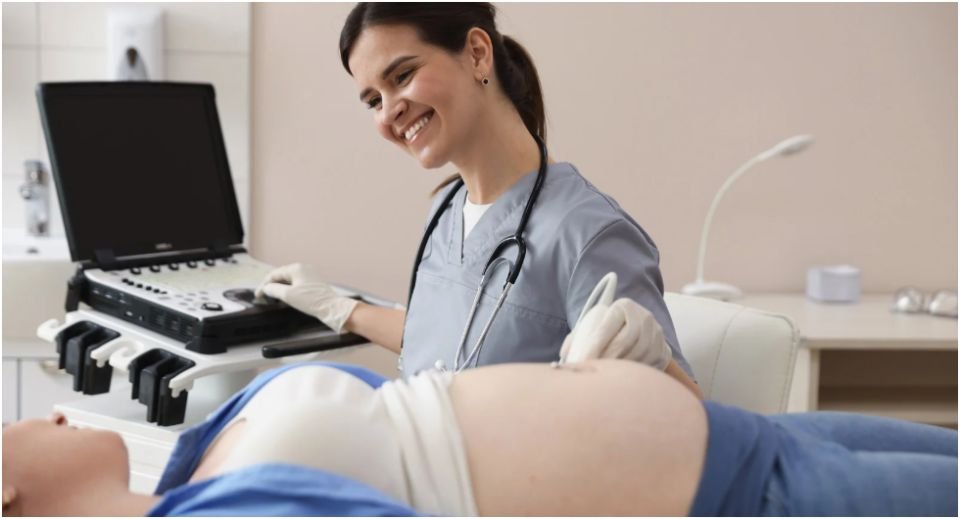
The dating scan is a non-invasive procedure that does not require any sedation or anaesthetic. A sonographer applies a special gel to the abdomen (or possibly the transvaginal probe) and moves a handheld device known as a transducer over it. This device emits sound waves that bounce off the baby and return to be translated into images.
Interpreting Dating Scan Results
Interpreting the results of a dating scan is the domain of experienced sonographers and obstetricians. They will check for the baby’s heartbeat, estimate the fetal size to determine gestational age, look for signs of multiples, and assess the general health of the pregnancy.
Emotional Aspect of a First Scan
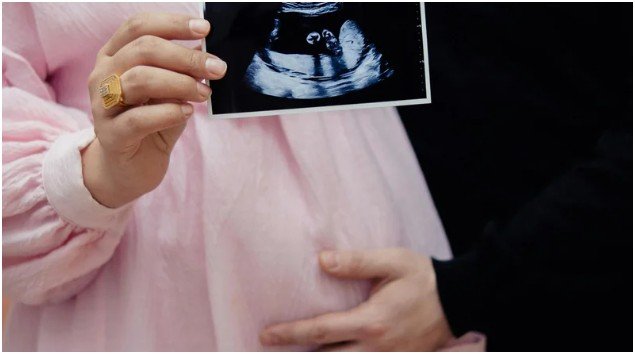
For many parents-to-be, the first scan is an emotional moment as they witness the first visual confirmation of their baby. It can bring immense joy but also apprehension, especially if past difficulties have been experienced. Hence, it is essential to be supported by compassionate and knowledgeable healthcare practitioners.
Follow-Up After a Dating Scan
Following a dating scan, healthcare providers will recommend a follow-up plan, including further scans or tests, depending on the results. In cases where abnormalities are suspected, additional investigations may be scheduled for a more detailed assessment.
Importance of Ongoing Prenatal Care
The dating scan is just the beginning of a series of prenatal check-ups designed to monitor the health of both mother and baby throughout the duration of the pregnancy. Regular appointments are crucial in observing the progression of the pregnancy and in detecting any issues early enough to address them effectively.
The Continuum of Pregnancy Monitoring
Following an initial dating scan, expectant mothers will be offered additional scans, including an anomaly scan around 20 weeks to check for structural abnormalities, as well as growth scans later in pregnancy. Each scan builds a more comprehensive picture of the baby’s health and development, also parents can do additional healthcare practices by incorporating watch with ECG monitor in their lifestyle to be extra careful.
Conclusion
A dating scan is an essential part of prenatal care, offering critical information that lays the foundation for a well-managed pregnancy journey. While it holds clinical significance for healthcare providers, it also offers expectant parents their inaugural bond with their unborn child.
Understanding the purpose and value of a dating scan can alleviate concerns and help parents embrace their pregnancy with informed confidence and joy.
Always remember to discuss any questions or concerns about your pregnancy with your healthcare provider, as they are your primary source of guidance and support throughout this extraordinary journey.