

The Benefits of Occupational Therapy for Children
Occupational therapy plays a vital role in supporting the development and well-being of children who face challenges in their daily lives. This therapeutic approach focuses on helping children acquire the skills they need to perform everyday activities independently and confidently.
The benefits of occupational therapy for children extend beyond physical capabilities to include cognitive, social, and emotional development.
Understanding Occupational Therapy for Children
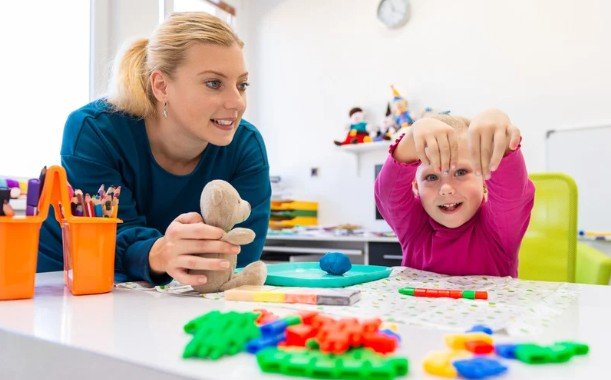
Occupational therapy for children is a specialised branch of healthcare that works with kids experiencing difficulties related to physical, sensory, or cognitive abilities. Occupational therapists assess individual needs and design personalised intervention plans to help children improve their motor skills, coordination, and problem-solving abilities.
This intervention may involve activities tailored to enhance fine motor skills, such as writing or buttoning clothes, as well as gross motor skills which include running, jumping, and balance. Therapists also address sensory processing issues that affect how children interpret and respond to various sensory stimuli.
Enhancing Developmental Milestones
One of the primary advantages of occupational therapy is facilitating the achievement of developmental milestones. Children who experience delays in sitting, crawling, walking, or speaking may benefit from targeted therapeutic exercises and activities. Occupational therapists work closely with families to support progression in these key areas, enabling children to catch up to their peers and build confidence.
Promoting Independence in Daily Activities
Occupational therapy aims to empower children by promoting independence in daily routines. Children who struggle with tasks such as dressing, feeding, or personal hygiene receive practical guidance to develop these essential life skills. This increased autonomy contributes positively to their self-esteem and overall quality of life.
Improving Sensory Processing Abilities
Sensory processing difficulties can significantly impact a child’s ability to engage in learning and social interaction. Occupational therapists use specialised techniques to help children manage sensory sensitivities or seek sensory input appropriately. This improvement allows children to focus better in school settings and participate comfortably in various environments.
Supporting Cognitive and Social Skills
Occupational therapy is not limited to physical development; it also fosters cognitive and social skills crucial for learning and interaction. Therapists incorporate activities that enhance attention span, memory, and problem-solving abilities. Social skills such as sharing, turn-taking, and communication are also addressed to help children integrate smoothly with peers.
Customized Therapeutic Approaches
Each child’s needs are unique, and occupational therapy plans reflect this individuality. Therapists evaluate specific challenges and strengths to tailor interventions appropriately. Just as smart watches track health metrics to provide personalised insights, customised therapy ensures the best possible outcomes in supporting a child’s growth and development.
Collaboration with Families and Educators
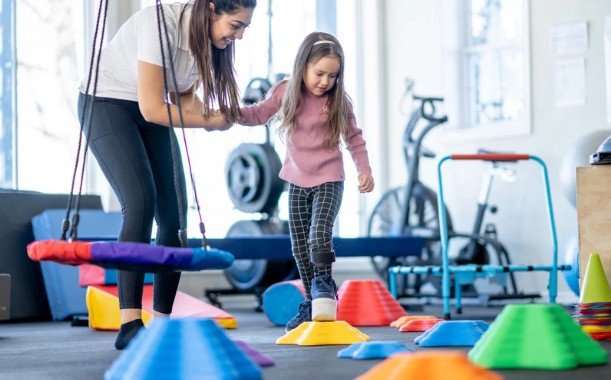
Successful occupational therapy involves collaboration between therapists, families, and educators. Parents receive guidance on exercises and strategies to reinforce progress at home. Educators are often consulted to adapt classroom activities and environments, ensuring inclusivity and support for the child’s needs.
Such collaborative efforts provide consistent support, enhancing the effectiveness of occupational therapy and fostering a nurturing environment for the child.
Addressing a Variety of Conditions
Occupational therapy benefits children with a wide range of conditions. These include developmental delays, autism spectrum disorder, cerebral palsy, attention deficit hyperactivity disorder (ADHD), sensory processing disorder, and physical injuries. The therapy adapts to different needs, making it a versatile and comprehensive intervention.
Long-Term Benefits for Children
Early intervention through occupational therapy can have significant long-term benefits. Children develop essential skills that contribute to academic success, social inclusion, and emotional well-being. These gains increase their potential for a fulfilling and independent life in adulthood.
The Role of Play in Therapy
Play is a central component of occupational therapy for children. Therapists use play-based activities to engage children in meaningful tasks that build necessary skills without the pressure of formal learning. This approach enhances motivation and enjoyment while promoting development.
Accessing Occupational Therapy Services
Access to occupational therapy is critical for children who can benefit from this specialised care. Parents and caregivers are encouraged to seek professional assessment if they notice developmental concerns. Early evaluation facilitates timely intervention, maximising the positive impact of therapy.
Families can find information and support regarding occupational therapy for children through healthcare providers and specialised clinics. Many services offer assessments, individual therapy sessions, and parent training to ensure comprehensive care.
Conclusion
Occupational therapy provides essential support for children facing developmental, physical, sensory, or cognitive challenges. The therapy facilitates skill development, independence, and social engagement, making a substantial difference in a child’s growth and everyday life.
Through customised interventions and collaborative care, occupational therapy empowers children to reach their full potential and enjoy greater participation in all aspects of life.